
GDF-DCAF Drishti Protibondhi Biddaloy (School for the Visually Impaired)
Founded in 1997 by the late Rajab Ali Khan in the holy land of Sylhet, the Green Disabled Foundation (GDF) is a non-profit social organization that has spent nearly 28 years tirelessly improving the education, services, and quality of life for persons with disabilities. GDF’s mission is to provide world-class education where none existed before, most notably through the GDF-DCAF School for the Visually Impaired.
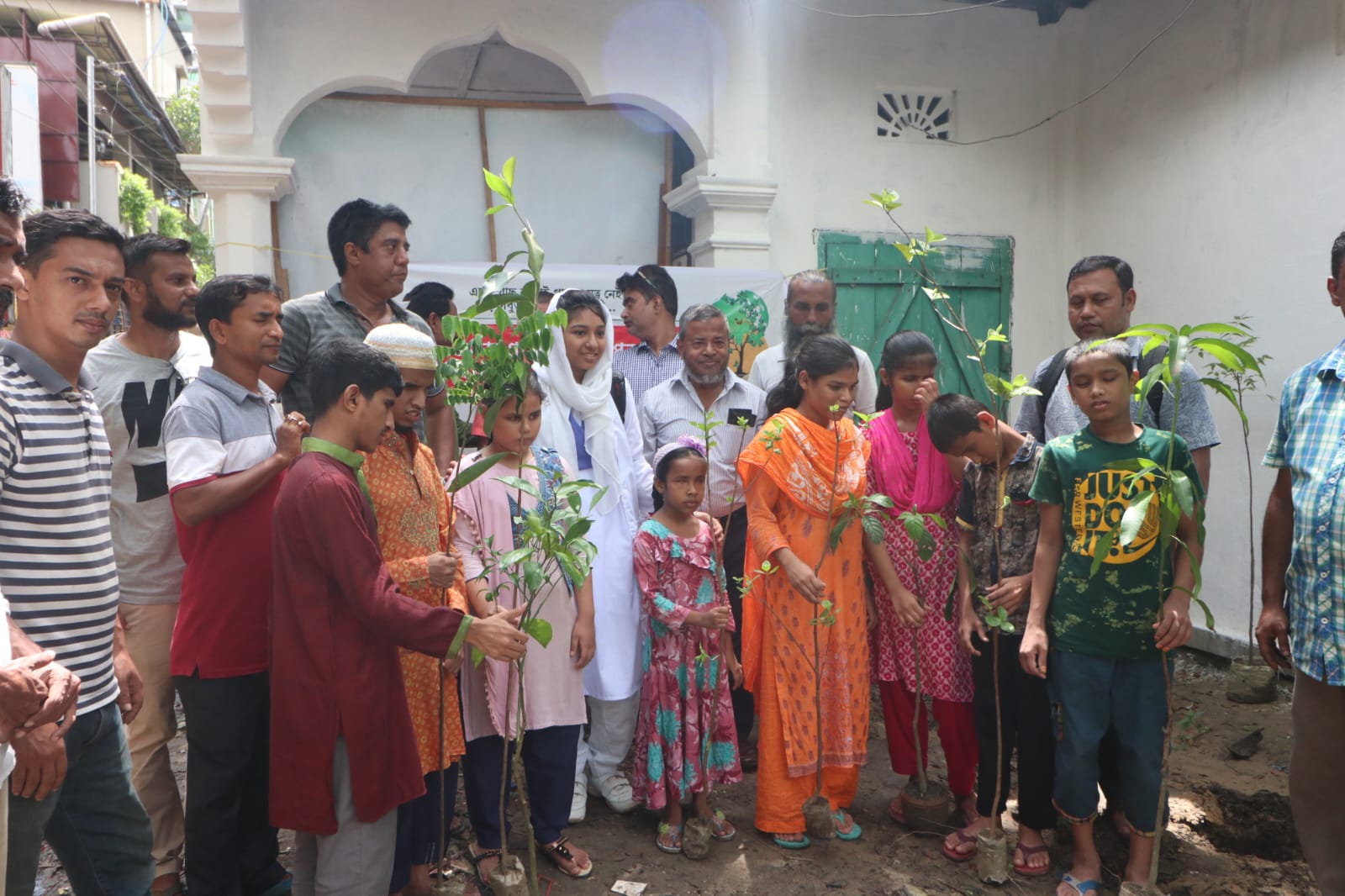
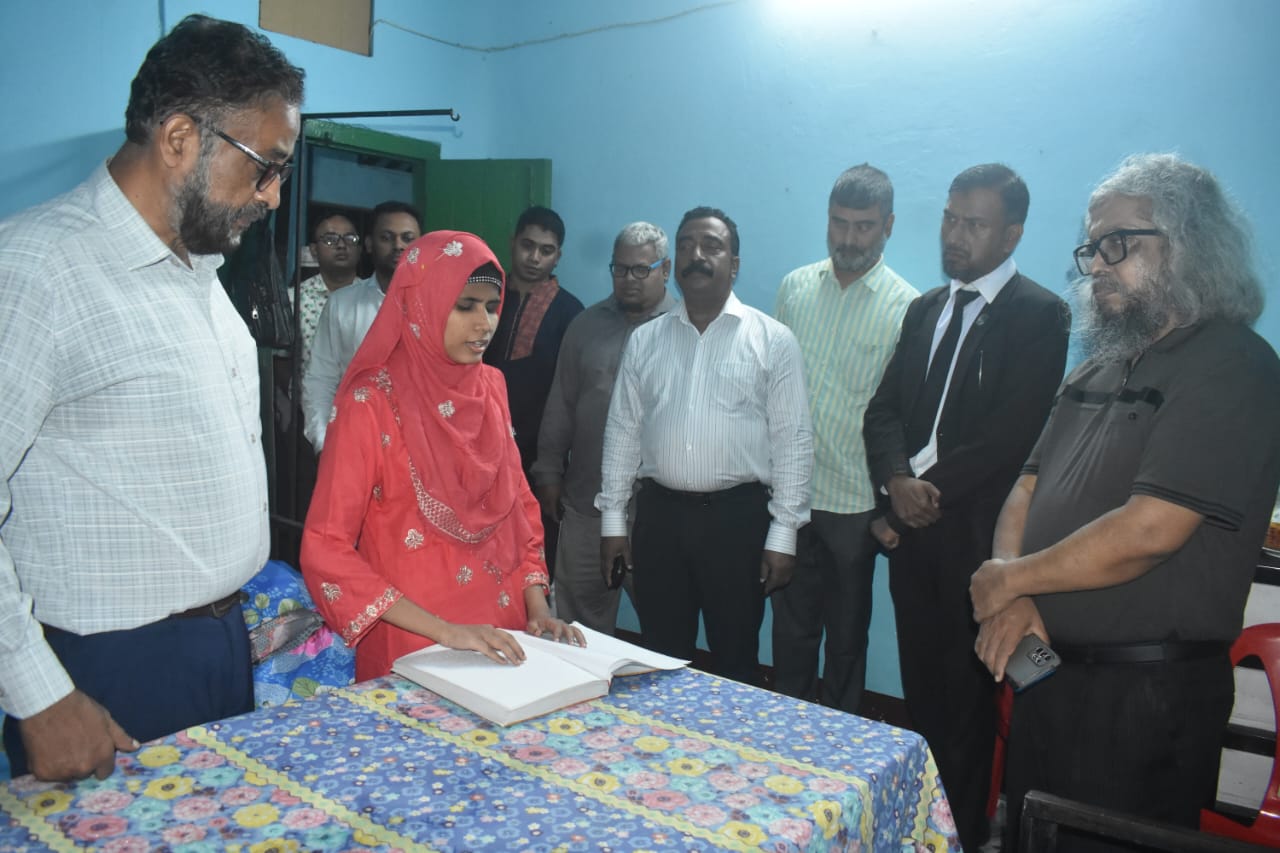
Established in 2006, this school is a regional pioneer as the first and only institution in the Sylhet Division to establish an educational system for visually impaired students. The school, which is currently operated through a partnership between GDF and the Disabled Community Advancement Foundation (DCAF), provides both residential and non-residential facilities for visually impaired boys and girls. It supports a comprehensive academic journey that spans from Primary (Class 1) and Secondary levels all the way to Higher Secondary and Bachelor (Degree Pass) degrees.
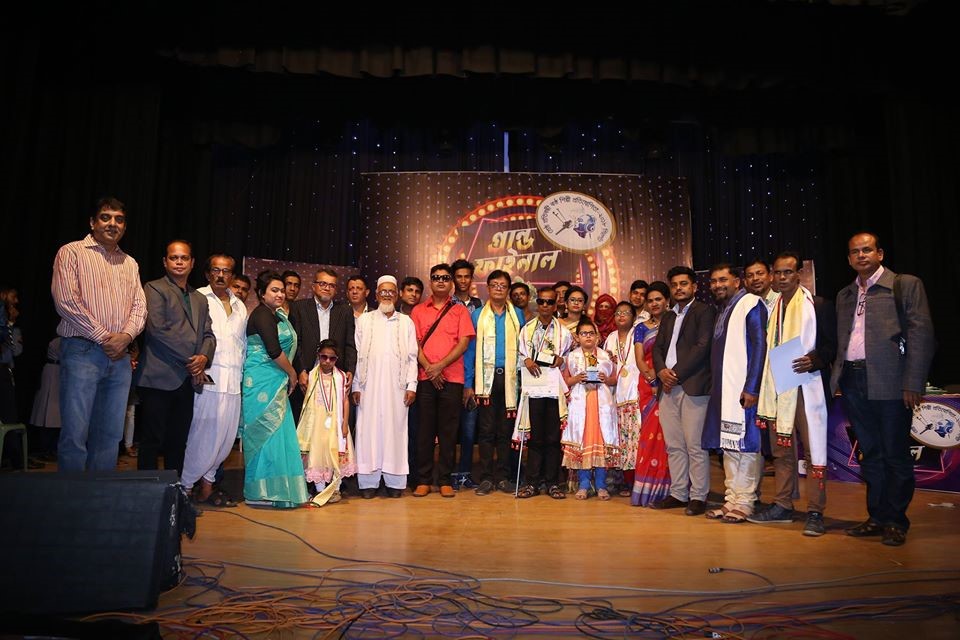
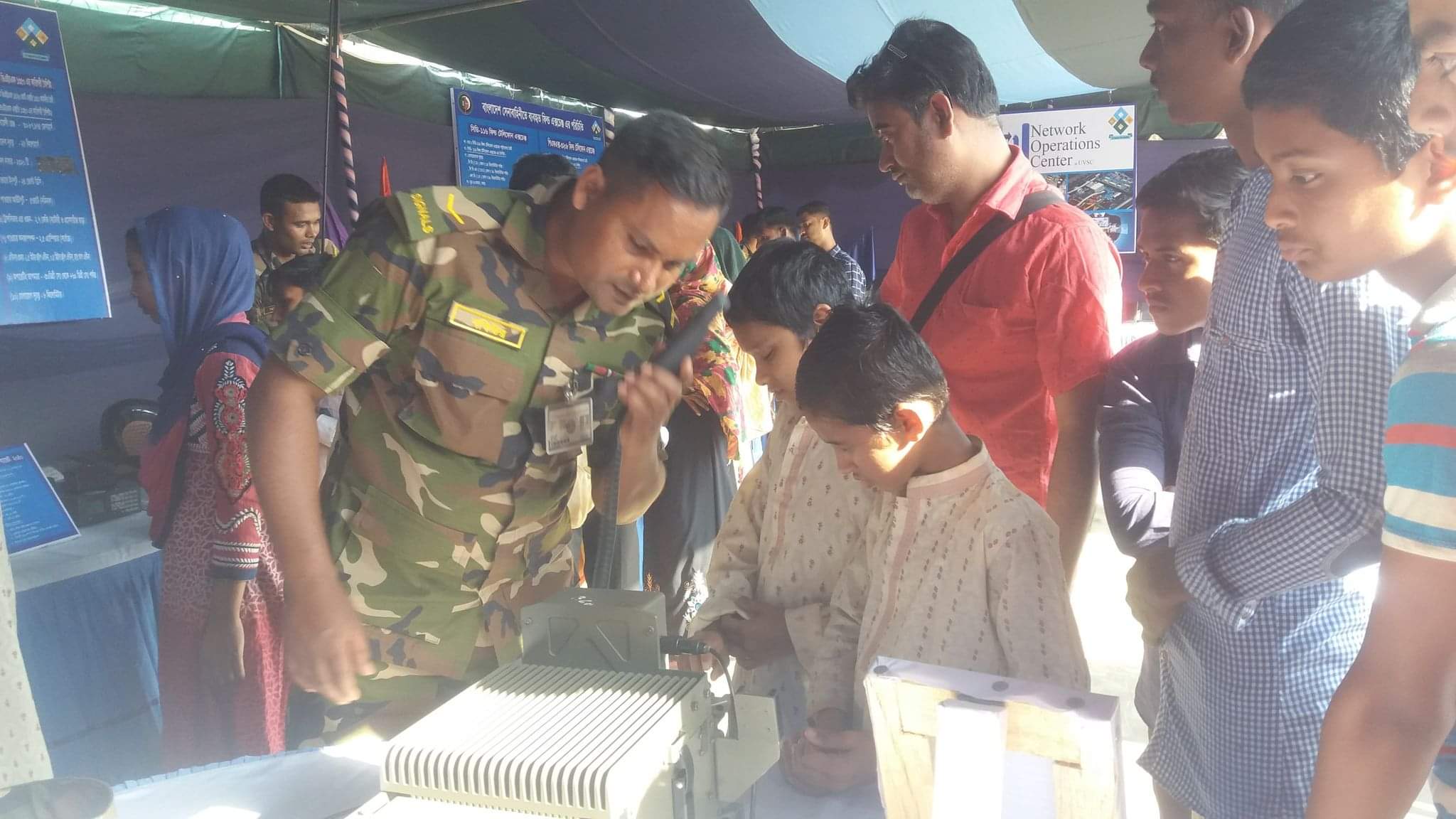
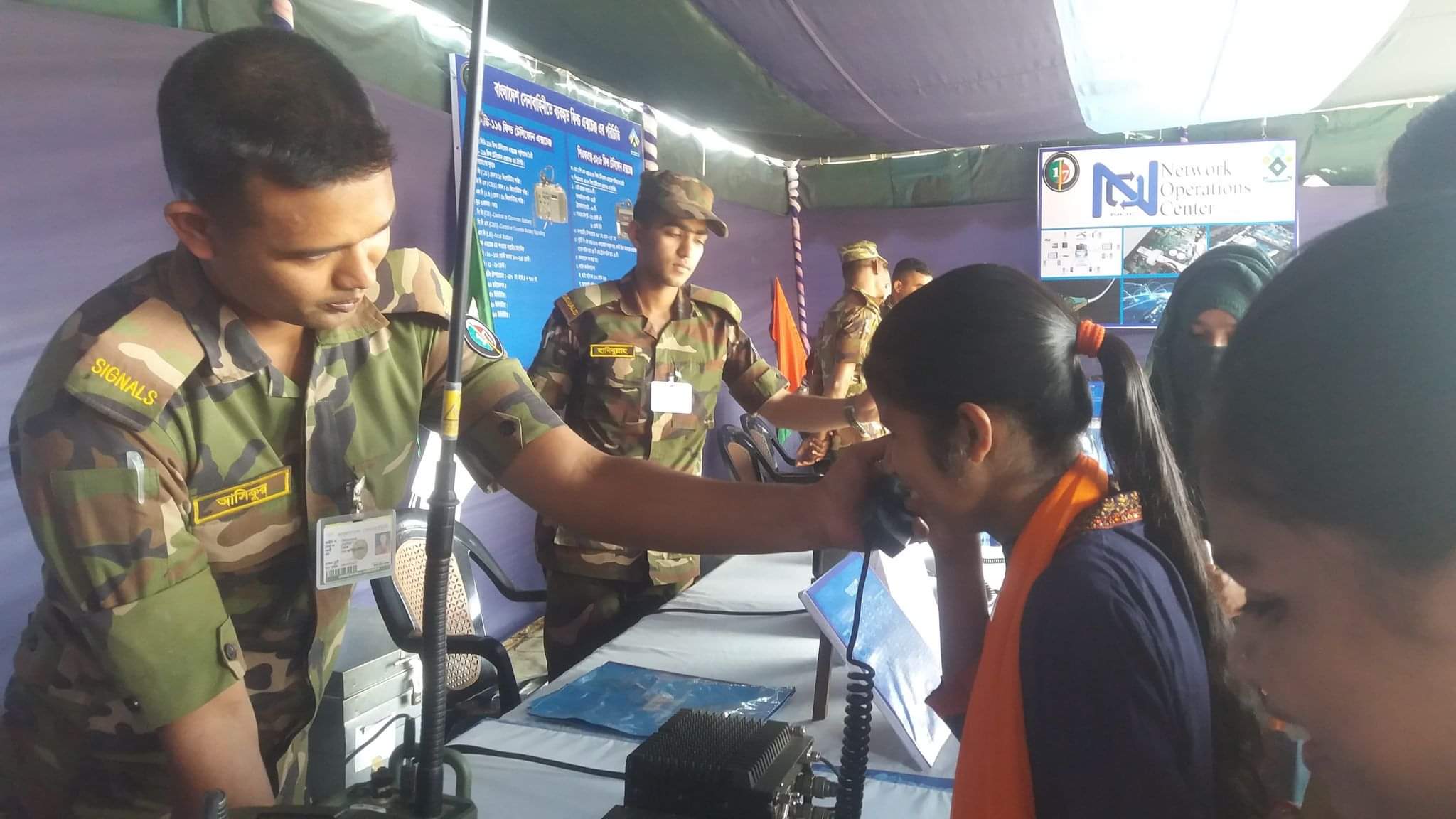
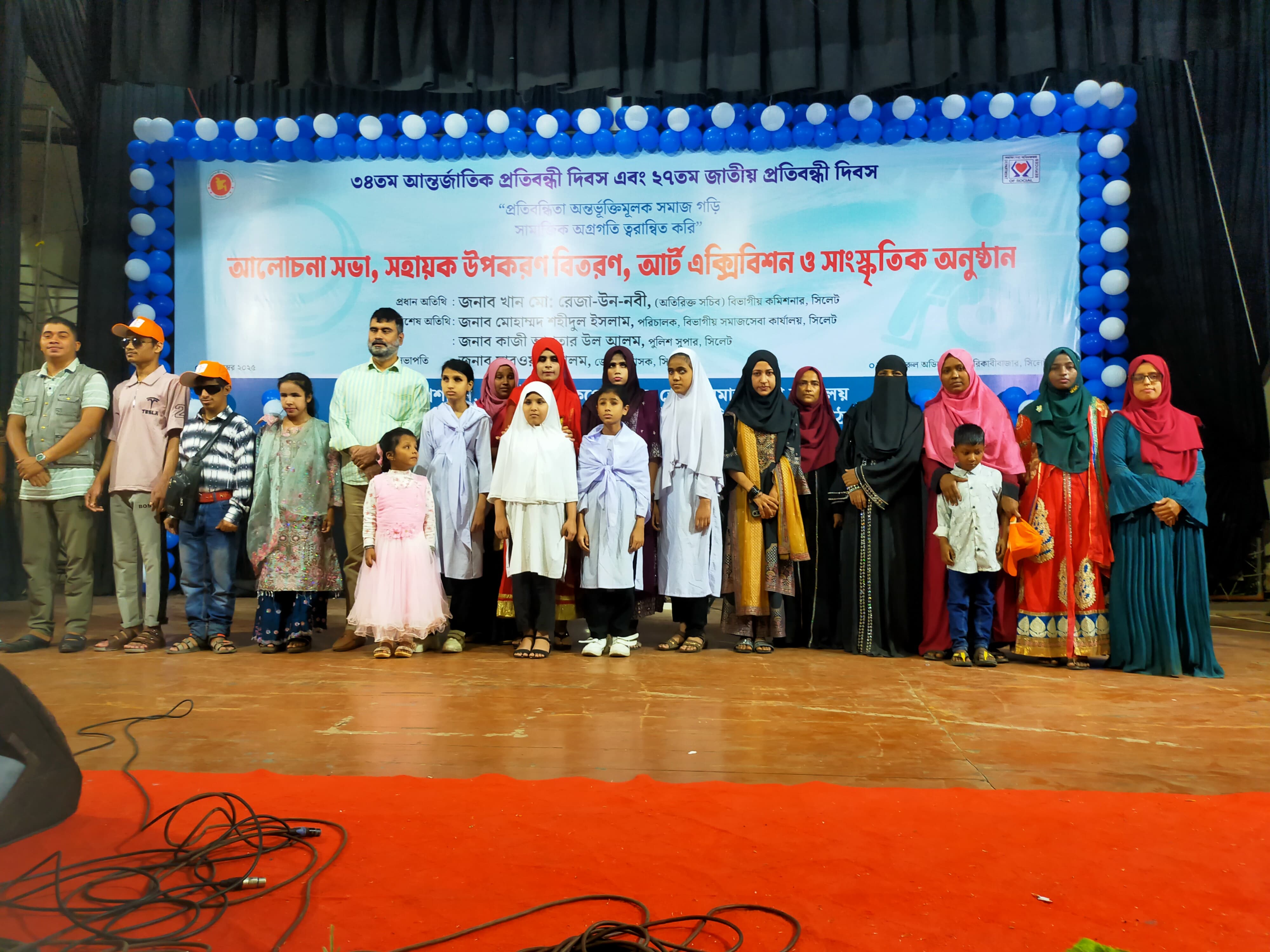
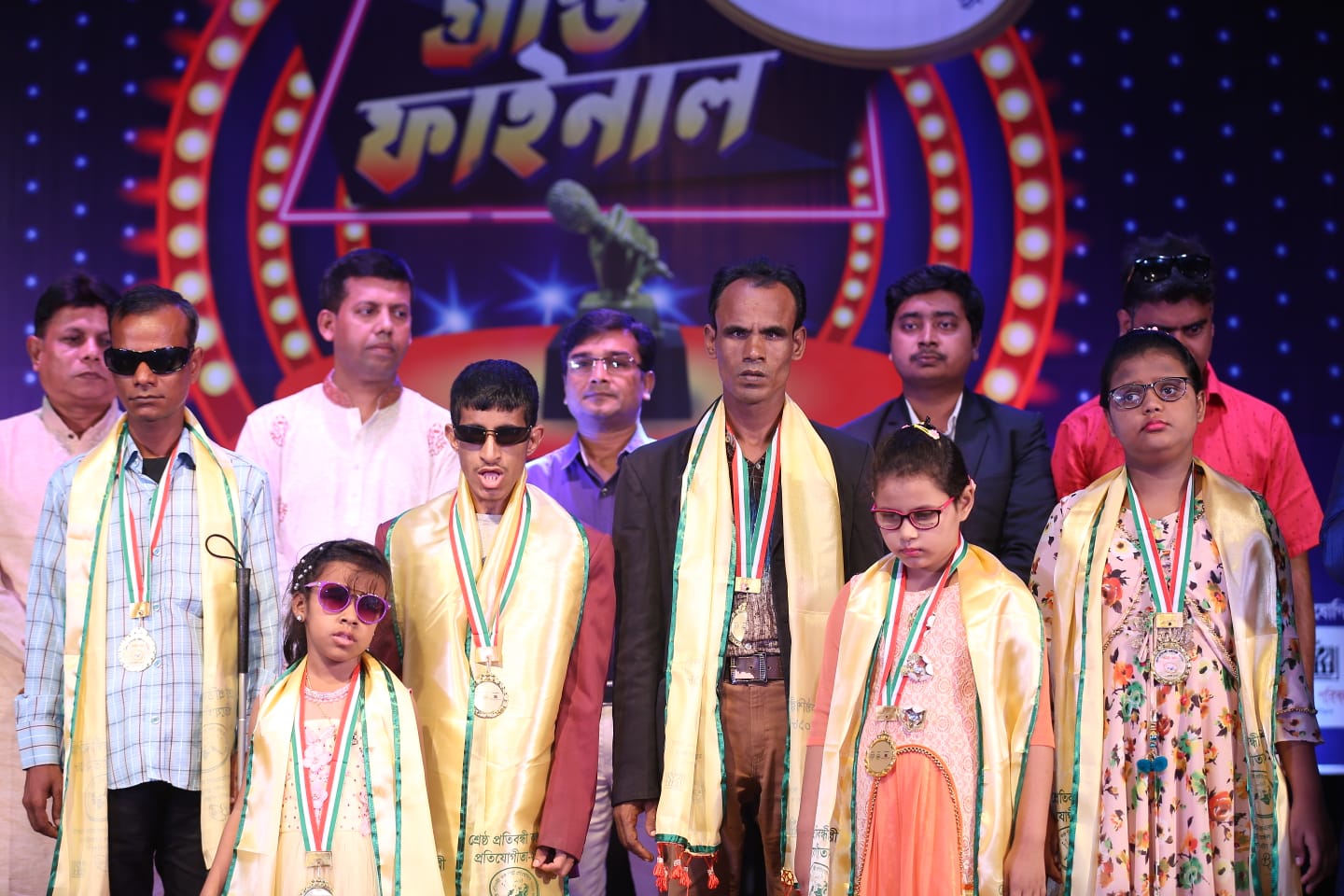
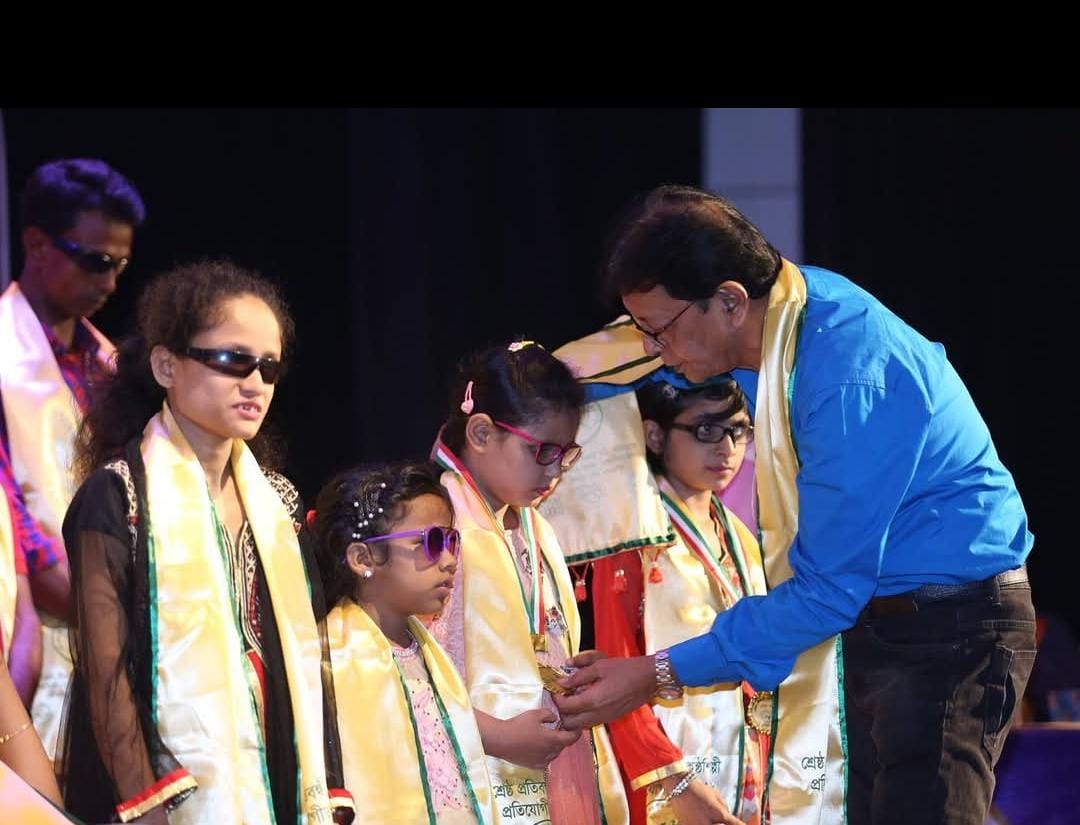
By utilizing specialized Braille and audio methods, the school has achieved significant success, with many students passing the Primary Completion Exam (PSC) as well as Junior Secondary (JSC), Secondary (SSC), and Higher Secondary (HSC) exams with satisfactory results. Beyond standard academics, students receive religious education, orientation and mobility (walking) training, daily living skills, and sports training, while also becoming award-winning cultural performers frequently featured on Bangladesh Betar (Sylhet) and at various national events.
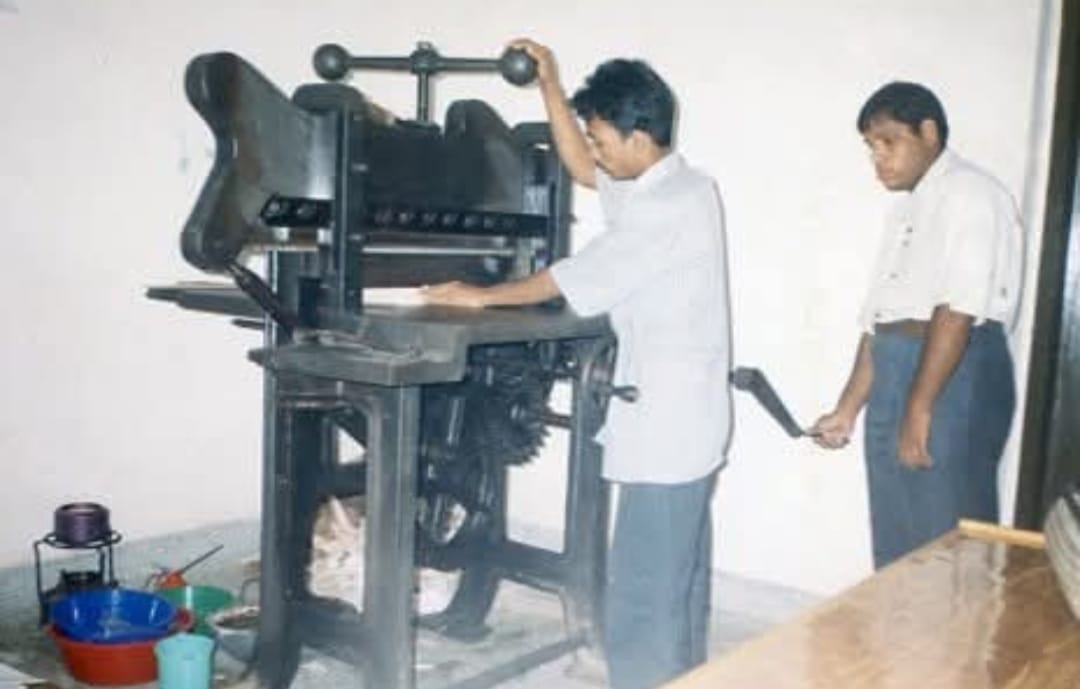
GDF’s commitment to digital inclusion and vocational self-reliance is equally robust. The ICT and Computer Training Center provides free practical computer training to children and adults with physical, intellectual, visual, speech, and hearing impairments, utilizing specialized "Talking Software" to help visually impaired trainees gain digital independence. For economic empowerment, the Bookbinding Training & Employment Center has, since 2000, trained numerous adults with various disabilities who produce an average of 300,000 notebooks per month for the BRAC Education Program, providing them with a regular income to support their families. Additionally, the "Swapno" (Dream) Candle Project, launched in 2009 and managed entirely by the Disabled Citizens' Council, empowers members through the production, packaging, and marketing of decorative candles for the open market.
GDF also acts as a social lighthouse through its Advocacy and Information Center, which provides free resources on disability laws, policies, and national/international documents to families, researchers, and journalists, while also assisting in the disability certification process. Historically, GDF even extended its reach to 300 underprivileged children between 2005 and 2007 by providing free non-formal education and essential materials like books and stationery.
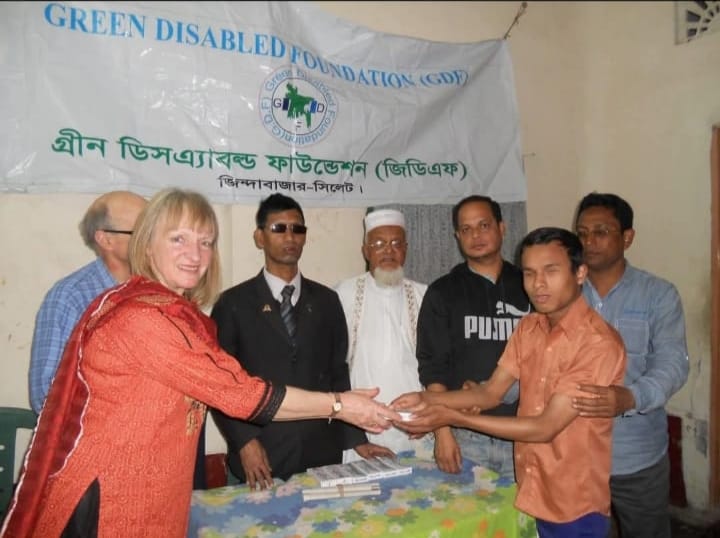
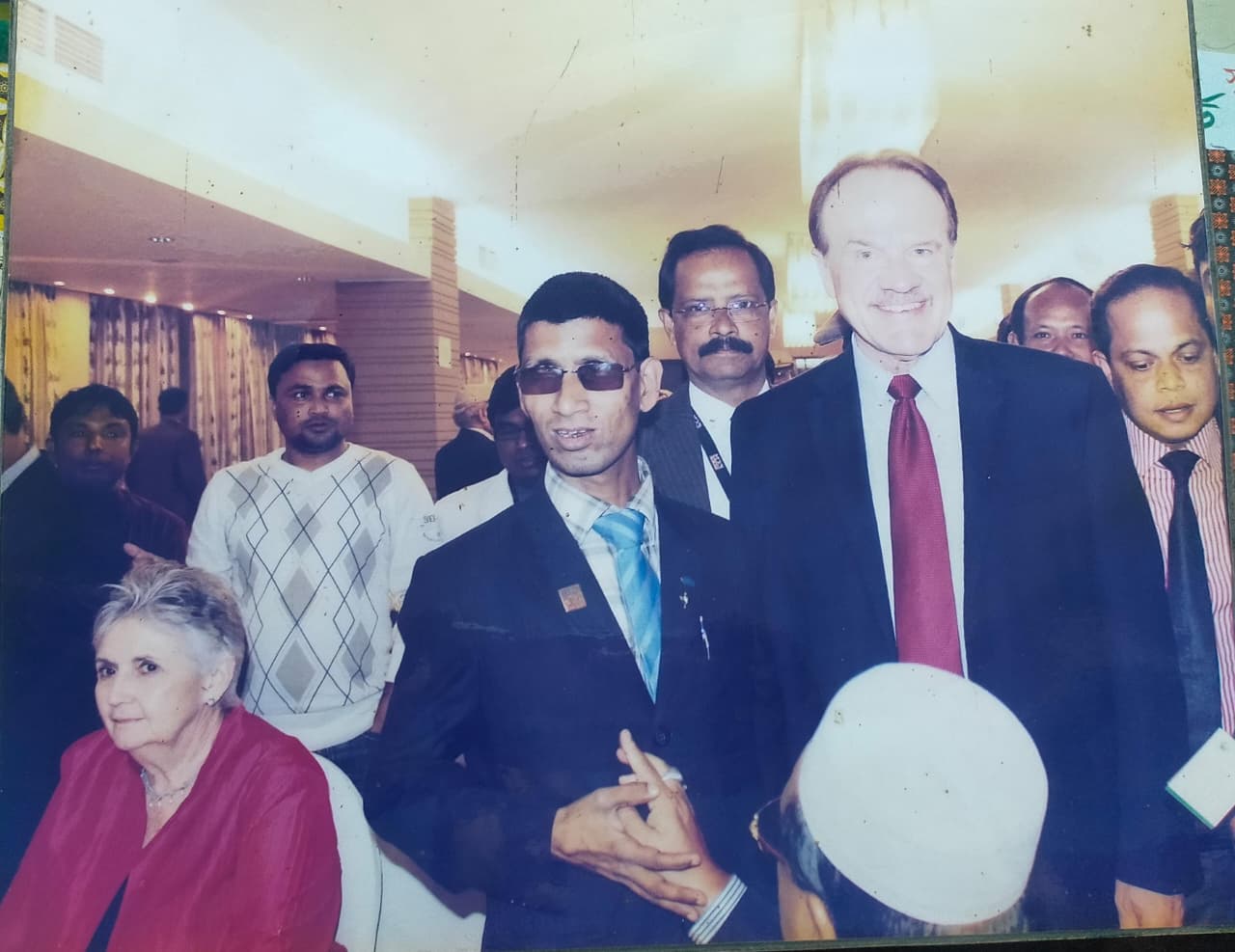
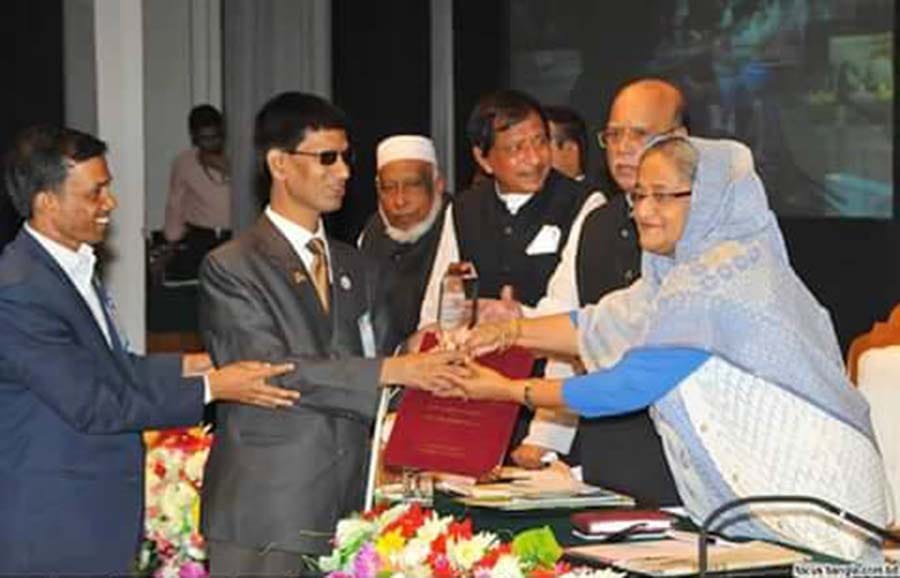
The foundation's leadership and excellence have been recognized globally and nationally. GDF has been a leading member of the National Disability Forum since 1998, with its founder serving as President in 2012 and 2016. It maintains active memberships with CAMPE (Campaign for Popular Education), the "Amar Odhikar" Campaign, and the top-tier NGO federation, FNB. Over the years, GDF has hosted distinguished visitors who have praised its humanitarian impact, including British High Commissioner Dr. David C. Carter, Australian Deputy High Commissioner Julian Eptin, Pakistan High Commissioner Alamgir Babar, French Ambassador Andre Jek ob Kosti, and former State Ministers Ebadur Rahman Chowdhury MP and Enam Ahmed Chowdhury.
These contributions have earned GDF a collection of prestigious honors:
- 2008: "Sada Moner Manush" recognition for the founder.
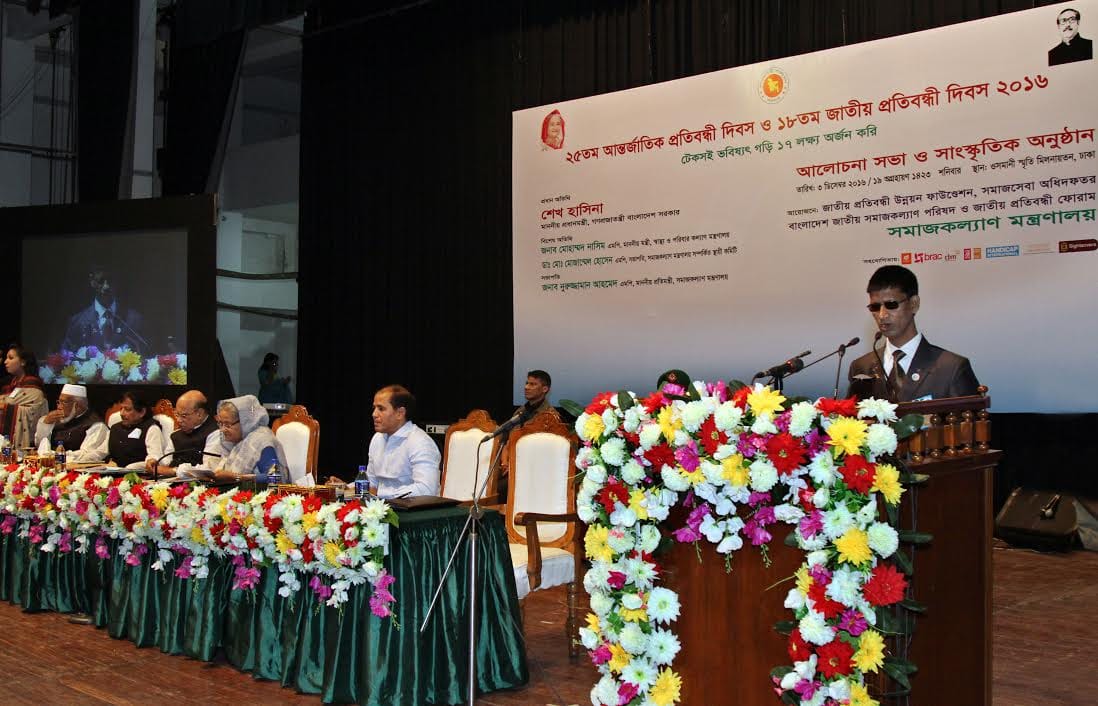
- 2016: National Award for Successful Person with Disabilities.
- 2017: National Award for Successful Organization.
- 2023: International Dr. Bhupen Hazarika Award (Assam, India).
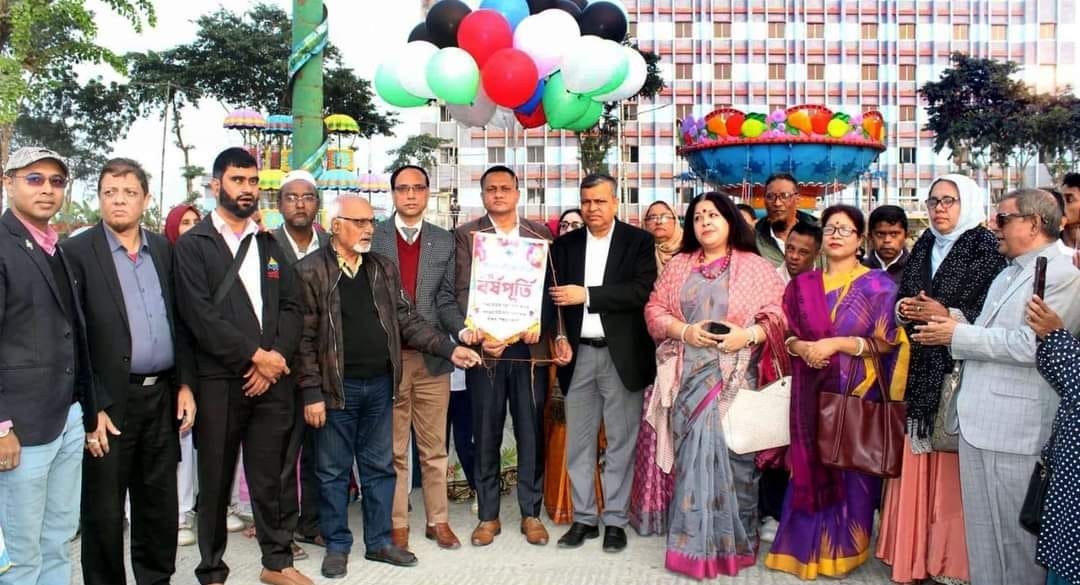
- 2025: National Social Service Day Honor.
- Recognitions: Awards from Grameenphone-Prothom Alo, Jugantor, and other national bodies.
Today, GDF stands as a highly respected institution whose success stories continue to be celebrated in national and international print and electronic media.